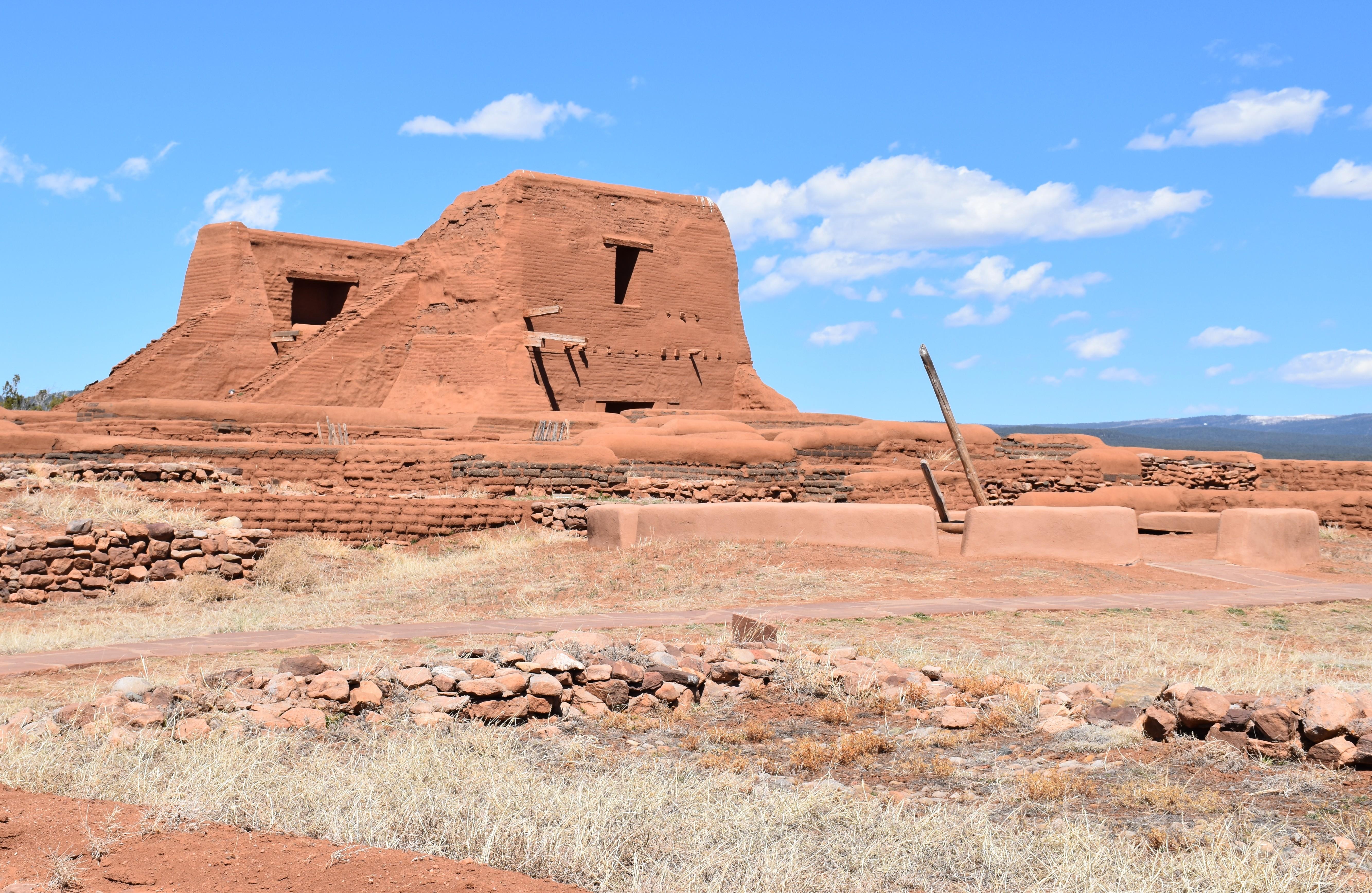
1491 Is Not a Blank Page1491年的美洲早已有自己的历史
CLASSROOM ANCHOR课堂锚点Chapter Introduction; Key Tasks; 1. Pre-Columbian Societies本章导论;关键任务;1. 哥伦布到来前的美洲社会
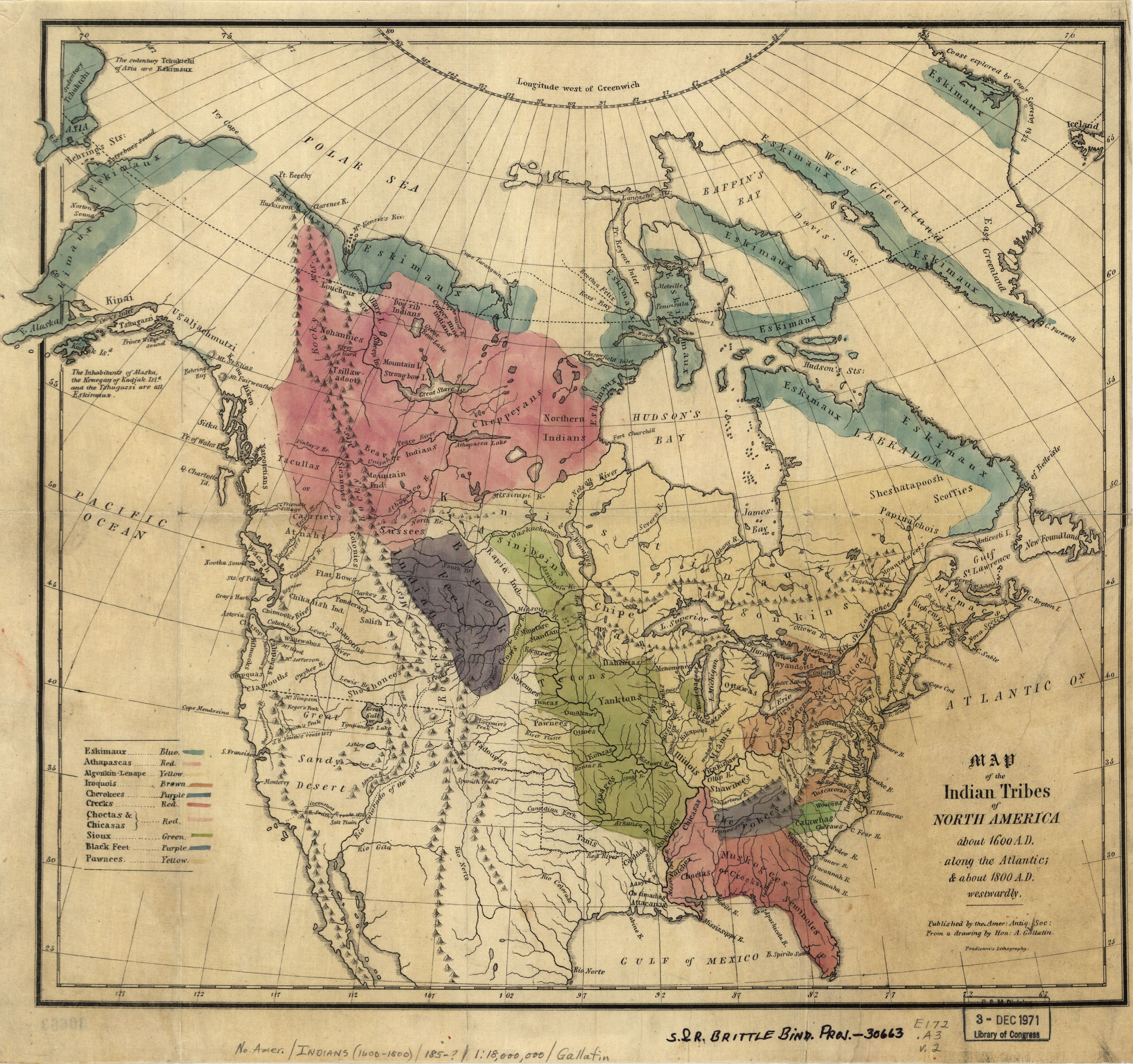
Stand in front of the map and let the familiar outline of the United States fade from view. Follow rivers, deserts, coastlines, forests, and floodplains; then trace the human decisions fitted to them. Once that inhabited map is clear, bring 1492 into the room.先暂时忘掉熟悉的美国国界,沿着河流、沙漠、海岸、森林和冲积平原观察这片大陆。接着找出各地人群如何利用环境组织生活。看清1491年的美洲以后,再思考1492年带来了哪些变化。
OBSERVE FIRST请先观察
Read the Continent Before the Border先读大陆,再看国界
- 01
Set Aside Modern Borders先隐去现代国界Mentally remove modern borders. Which environmental regions become more important once political lines disappear?先在脑中隐去现代国界。政治边界消失后,哪些环境区域显得更加重要?
- 02
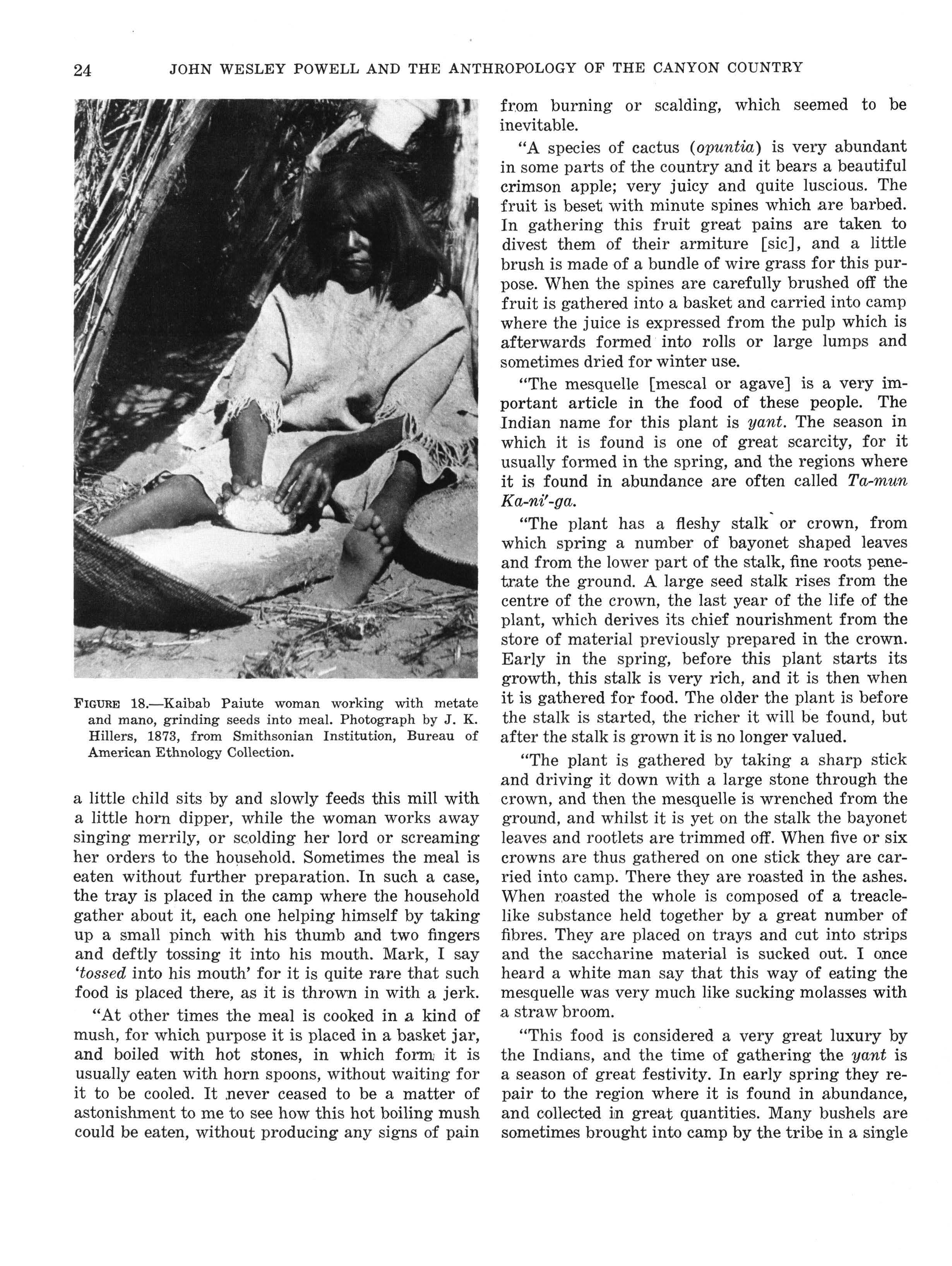
Connect Environment and Life环境怎样影响生活方式?Match one food system or settlement pattern to water, soil, climate, or seasonal movement.选择一种食物体系或聚落形态,说明它与水源、土壤、气候或季节性迁徙有什么关系。
- 03
Mark the Map’s Limits地图遗漏了什么?Choose one region and write what the map still cannot tell you about belief, conflict, family, or political authority.选择一个地区,写下这幅地图无法告诉你的信息,例如信仰、冲突、家庭关系或政治权威。
MR. ZHAN'S GUIDE詹老师有话说
Begin with Inhabited Worlds先从原住民世界讲起
Columbus often slips into the first sentence of this chapter. Move him down a line. Start with a continent whose peoples had already devised workable responses to climate, soil, water, and distance.讲述美国史时,哥伦布常常出现在第一句话里。这一站先把目光留在1491年的美洲:各地原住民早已根据气候、土壤、水源和距离,形成各具特色的生活方式。
CORE QUESTION核心问题
What comes into view when American history begins with Indigenous societies already adapting to the continent, generations before Europeans arrived?如果美国史从欧洲人到来以前的原住民社会讲起,我们会重新看见哪些经常被忽略的历史?
HISTORICAL INTERPRETATION历史解释Open after completing your observation完成观察后再展开
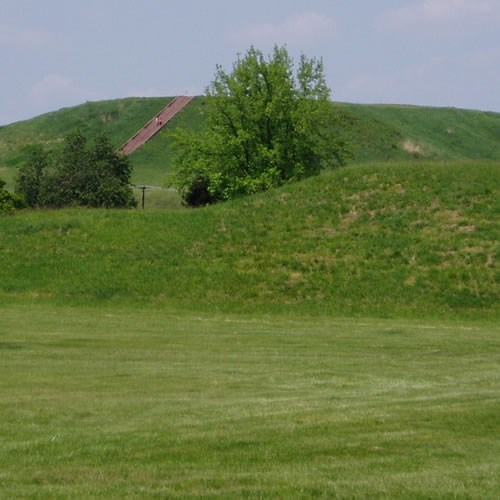
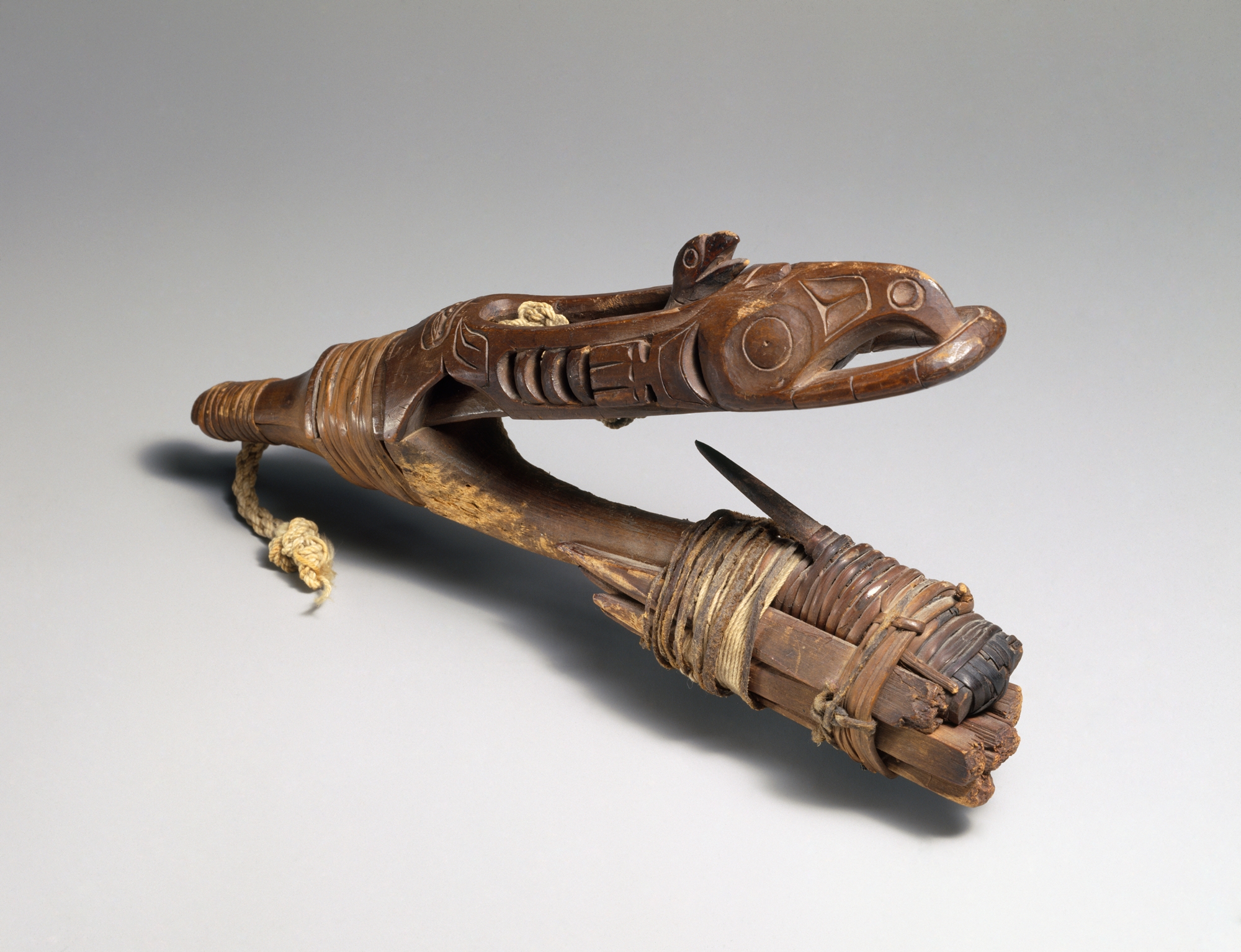
By 1492, a much older history was already underway. North America contained agricultural cities, mixed farming-hunting communities, settled fishing societies, and mobile foraging bands. Environmental conditions shaped their options without dictating a single outcome. People engineered irrigation, coordinated labor, stored seasonal abundance, and moved with scarce resources. Europeans entered existing worlds. The Columbian Exchange describes a collision among societies across an inhabited continent.1492年以前,北美已经有了漫长的历史。这里既有农业城市和农猎结合的村落,也有依靠渔业长期定居的社会和季节性迁徙的采集群体。环境影响了人们可以作出的选择,却没有规定唯一结果。不同社会修建水利、组织劳动、储存季节性食物,或跟随分散的资源迁徙。欧洲人进入的是一个个已经运转的社会;哥伦布大交换因此不是“新世界”的开端,而是多个既有社会之间的剧烈碰撞。
HISTORICAL STORY历史小故事
Three Maps, Three Histories三幅地图如何讲述同一片大陆
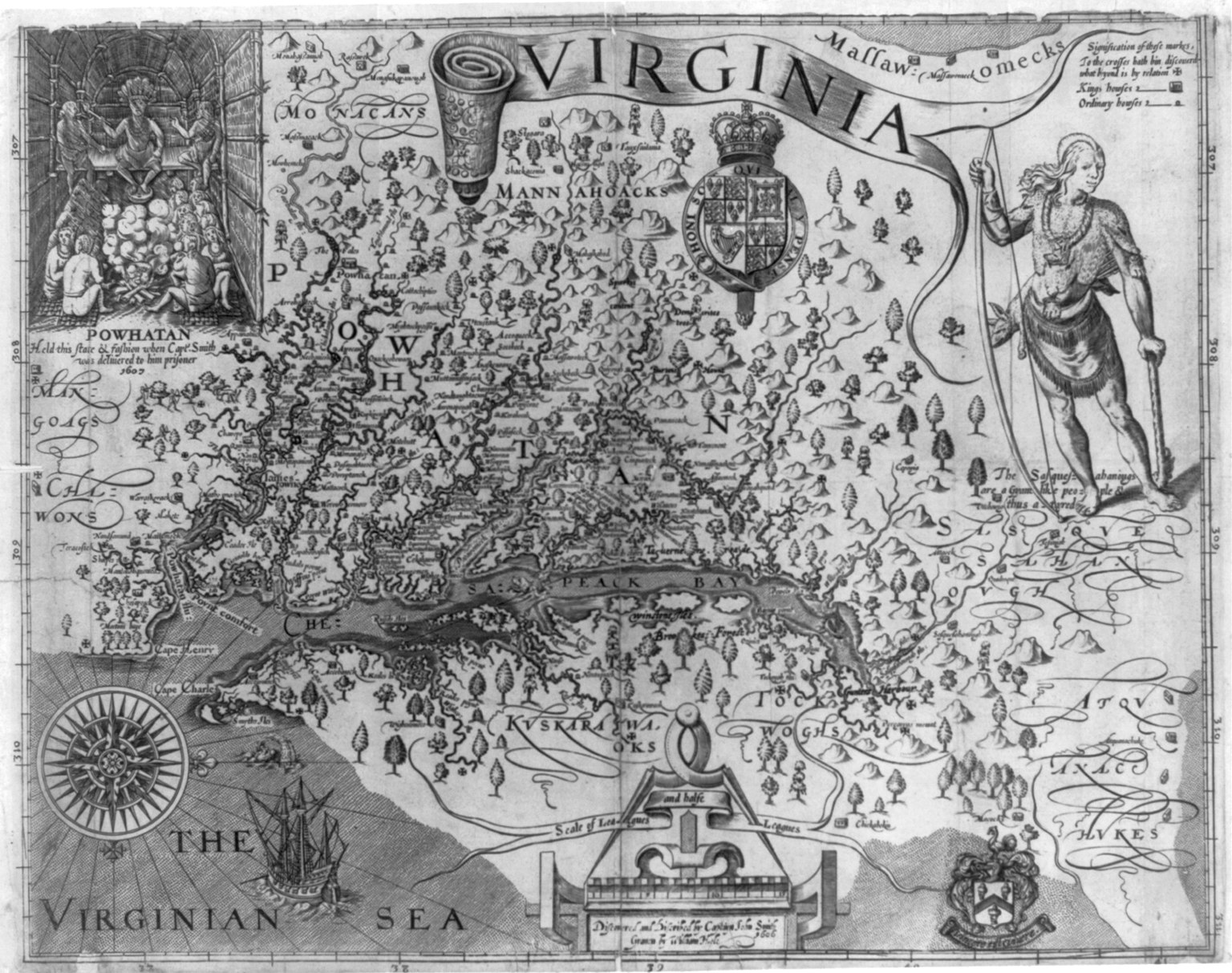
Put three maps of the same continent side by side. A voyage map follows coasts and routes; an ecological map follows water and terrain; an Indigenous history map follows lived places. Each foregrounds different evidence and leaves something else faint. Add Columbus only after the lived places are visible, and arrival can no longer be mistaken for origin.把同一片大陆的三幅地图放在一起:航海图追踪海岸与路线,生态图呈现水系与地形,原住民历史地图标出人们生活过的地方。先看清这些生活地点,再加入哥伦布的航线,就不会把欧洲人的抵达误当成美洲历史的起点。
OBJECT FILES展品与史料
Explore the evidence查看本站的实物与史料
Map of Indigenous nations and language families in North America北美原住民群体与语言家族分布图
- DATE年代
- 1836 reconstruction; Atlantic coast ca. 1600, western regions ca. 1800
- MAKER / CULTURE制作者/文化
- Albert Gallatin; American Antiquarian Society
- INSTITUTION馆藏
- Library of Congress, Geography and Map Division
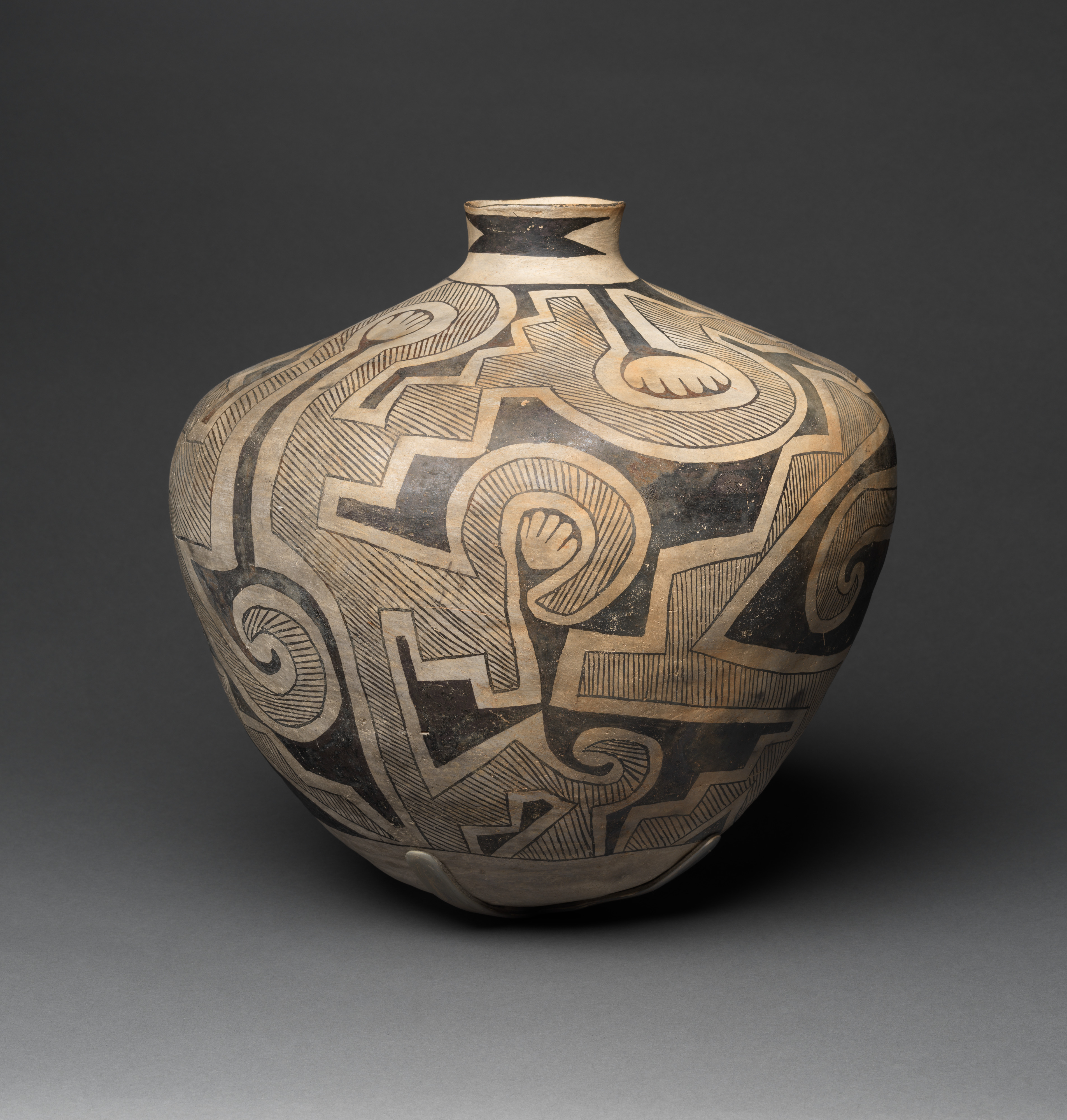
Storage jar, Socorro black-on-white索科罗黑白彩陶储藏罐
- DATE年代
- ca. 1050–1100
- MAKER / CULTURE制作者/文化
- Ancestral Pueblo
- INSTITUTION馆藏
- The Metropolitan Museum of Art
YOUR EVIDENCE你的证据
Record your judgment in the passport把你的判断写进护照
AP SKILLSAP 历史思维技能Contextualization; geographic reasoning; establishing a defensible claim情境化;地理推理;建立可论证的中心判断